SEO, AEO & GEO Services
SEO, AEO & GEO Services That Rank
We're an SEO agency helping businesses get found in all three places search now happens: ranked results on Google, the AI answers above them, and assistants like ChatGPT and Perplexity. Technical SEO, structured data, answer-first content and local SEO, grounded in what search engines and AI answer engines actually reward, not guesswork or shortcuts.
Technology we use primarily:

Semantic HTML

Sitemaps & Schema
Google Search Console

SEMrush

Analytics
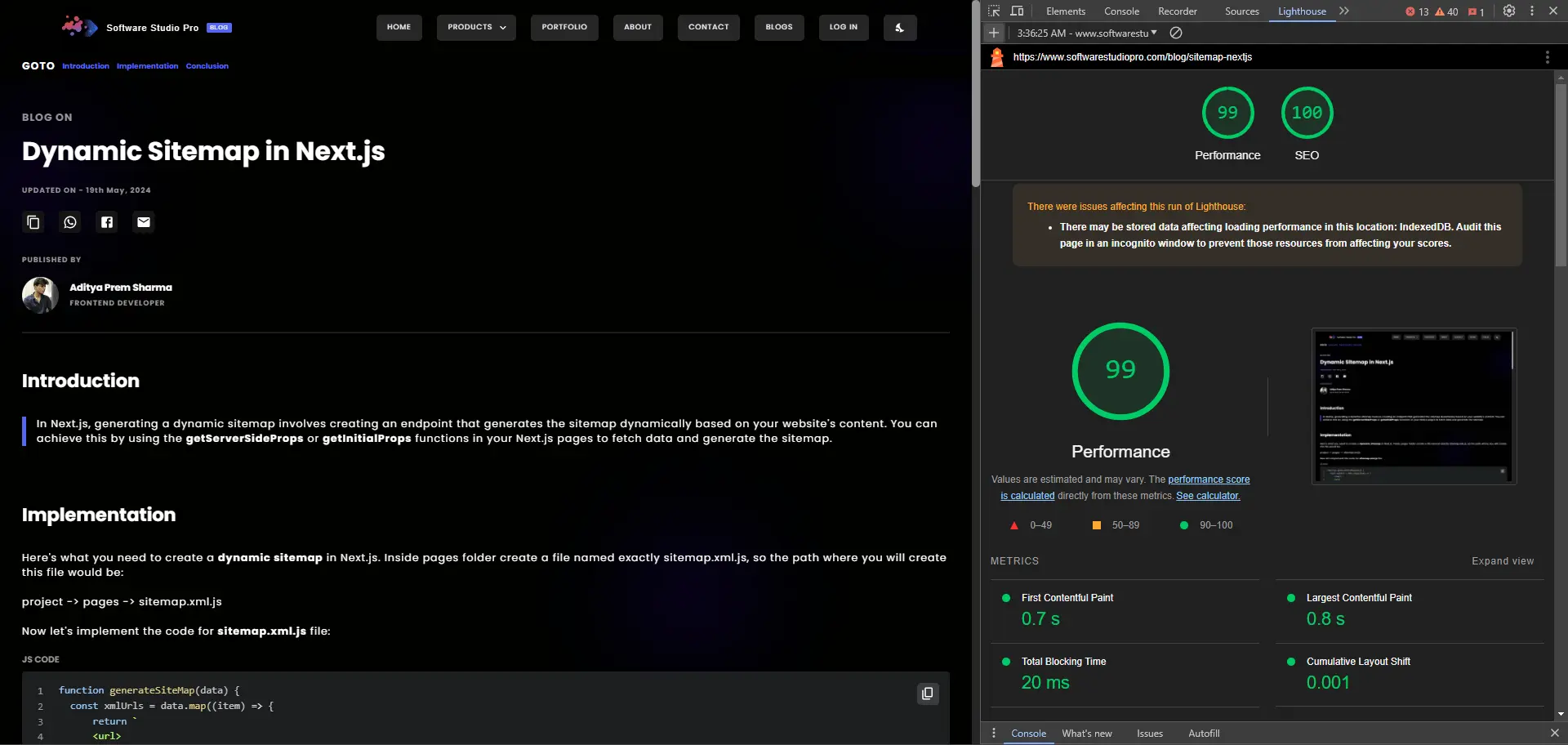
Screen displayed here is real and finished work by us.
SEO, explained
What does SEO actually involve?
SEO (search engine optimization) is the practice of structuring and improving a website so it ranks higher in search results and gets cited more often by AI answer engines like Google AI Overviews, ChatGPT and Perplexity. In 2026 that means three things working together, not separately: technical health (crawlability, speed, structured data), content that genuinely demonstrates expertise and answers the query completely, and authority signals that make both search engines and AI systems trust the source. As an SEO agency, we fix the technical fundamentals first, then build content and authority on top, because no amount of content work overcomes a site search engines can't properly crawl or trust.
Three places you now have to show up
Search stopped being one destination. A buyer might see a ranked link, an AI-generated summary above it, or never visit a search engine at all and just ask an assistant. These are the three disciplines that cover those surfaces, and they build on each other rather than replacing each other.
SEO: ranking the link
Search engine optimization earns a position in the classic list of blue links. The win is a ranking, and the click comes to you.
AEO: owning the answer
Answer engine optimization gets your page quoted in the direct answer itself: AI Overviews, People Also Ask, featured snippets and voice results. The win is being the source the answer is built from.
GEO: being cited by the model
Generative engine optimization gets your business named and linked inside long-form answers from ChatGPT, Perplexity, Claude and Gemini, where several sources are synthesised into one reply.
What earns a citation from an AI answer engine
There is a lot of confident guesswork about AI search. These are the things with published evidence behind them, which is what we build against.
Quotes, statistics and sources, not adjectives
In published GEO research, adding quotations from credible sources raised a page's share of the generated answer by roughly 41%, statistics by about 31%, and inline citations by about 28%. Unsourced marketing copy moves none of those numbers.
Schema that describes the entity, not just the page
Richly marked-up pages are around 13% more likely to earn an AI citation. Schema does not buy a citation on its own, it makes your content legible and your business recognisable as a consistent entity across the web.
Answer-first structure a model can lift cleanly
AI systems quote self-contained passages. A question answered directly in its first sentence, with the detail underneath, gets used. The same answer buried three paragraphs into a narrative does not.
Third-party corroboration of your claims
Models weigh what other sources say about you, not only what you say about yourself. Consistent details across directories, profiles and genuine third-party mentions are what make a claim verifiable enough to repeat.
Signs dedicated SEO work is worth it
Your site barely shows up for the terms your customers actually search
You can name the exact phrases people should be finding you for, and your site isn't anywhere near the first page for them.
You've published content for months with no real increase in traffic
Pages are going up, and the organic traffic numbers aren't moving with them, a sign something upstream isn't working.
AI answer engines never mention or cite your business
Ask ChatGPT or Google's AI Overview about what you do, and a competitor comes up instead of you, or nothing does.
Your site has technical issues you haven't been able to diagnose
Slow load times, broken pages, or missing structure that you know are probably hurting you, but no one's confirmed how or fixed them.
Search engine optimization services
From a full technical audit to ongoing monitoring, this is the SEO work we cover, all scoped and quoted for your specific site.
Technical SEO Audits & Site Health
Finding and fixing what's actually blocking your site from ranking: broken tags, crawl issues, indexing problems, and slow pages.
Enterprise & Multi-Location SEO
SEO strategy and execution for larger sites with many pages, product listings, or locations to manage at scale.
Answer Engine Optimization (AEO)
Structuring pages so they get quoted in AI Overviews, featured snippets, People Also Ask and voice results, with FAQ and HowTo schema behind them.
Generative Engine Optimization (GEO)
Getting your business cited by name inside ChatGPT, Perplexity, Claude and Gemini answers, and tracking which prompts you appear for.
On-Page SEO
Titles, meta descriptions, headings and content structure optimized for both search engines and real readers.
Structured Data & Rich Snippets
Schema markup that helps your listing stand out in search results: star ratings, FAQs, and more.
Local SEO & Google Business Profile
Getting your business found in local searches and Google Maps results where your customers actually look.
Core Web Vitals & Site Speed
Performance work aimed at the specific metrics Google uses to score your page experience.
Content & Topical Authority Strategy
Building the kind of in-depth, expertise-backed content that search engines and AI answer engines treat as trustworthy.
SEO Monitoring & Reporting
Ongoing tracking of rankings and traffic, so you know what's working and what still needs attention.
Engagement models built for real SEO work
SEO isn't one-size-fits-all: a brand-new site, an established one, and a mid-migration site all need a different starting point. Here's how businesses typically work with us.
One-Time Technical Audit
A full technical and on-page review of your existing site, delivered as a prioritized, actionable roadmap.
- Best if you want a clear list of what's actually wrong first
- Fixed price, delivered as a single report and walkthrough
- No ongoing commitment required
Ongoing SEO Retainer
Continuous monthly optimization, content, and reporting, since SEO is a compounding effort rather than a one-time fix.
- Best for businesses actively growing organic traffic
- Monthly reporting tied to rankings and traffic, not vanity metrics
- Scope adjusts as your site and competition evolve
Migration & Redesign SEO
Protecting your existing rankings and organic traffic during a website redesign or platform migration.
- Best when you're redesigning or replatforming an existing site
- URL mapping, redirects, and technical SEO carried through
- Pairs directly with our web development & redesign work
Dedicated SEO work, or a different approach?
We'll tell you honestly which one fits before we start building anything.
It's probably right for you
- You have a real, ongoing business that search traffic would actually benefit
- You're willing to invest in this over months, not expect results in weeks
- Your site's technical foundation is workable, or you're ready to fix it first
- You have, or can create, genuinely useful content, not just thin pages built for keywords
A different approach might suit better
- You need traffic or leads immediately, SEO is not a fast channel
- Your website itself is still changing shape or doesn't exist yet
- You're only interested in rankings, not the content or trust work behind them
- Your business doesn't depend on organic search traffic at all
Our development process
01
Requirements
Discuss your requirements with us and we will study it carefully.
02
Analyze
We will do the research, make a plan and implement it to perfection.
03
Development & Tracking
We build, test at every step and keep you updated at every step.
04
Delivery & Maintenance
We deliver the project, with ongoing support available if needed.
We build that for free.
SEO needs a solid website to work with. If you don't have one yet, we build a standard business website for free, with technical SEO fundamentals included from day one. You only pay one simple monthly plan for maintenance.
See the free website plan
Software Studio Pro vs. typical SEO agencies
Software Studio Pro
- TeamDirect access to the person actually doing the SEO work
- ReportingClear monthly reporting tied to rankings & traffic
- ApproachTechnical fixes, content and authority work, integrated
- EngagementOne-time audit, ongoing retainer, or migration-specific, your choice
- GuaranteesHonest about what SEO can and can't promise
Everyone else
- TeamRouted through account managers and layers
- ReportingVague 'activity' reports with no clear metric
- ApproachContent-only or link-only, ignoring technical debt
- EngagementLocked into a long contract upfront
- GuaranteesGuaranteed rankings no agency can actually control
SEO case studies
Results from SEO engagements, organized by the type of work involved.
SEO case studies coming soon
We're compiling published SEO case studies for this category. Get in touch and we'll walk you through the results we've delivered for clients directly.
Common questions about SEO
What's the difference between SEO and paid advertising?
Paid advertising (like Google Ads) gets you traffic immediately, for as long as you keep paying. The moment the budget stops, so does the traffic. SEO builds organic visibility that keeps working without an ongoing spend per click, but it takes real time to build and compounds rather than switching on instantly. Most businesses that can afford it run both: ads for immediate visibility while SEO builds toward something that doesn't disappear the day you stop paying.
How much does SEO cost?
It depends entirely on scope: a one-time technical audit and an ongoing monthly retainer covering content, technical work and authority building don't cost anywhere near the same, so a generic figure wouldn't honestly apply to either. Rather than quote one, we scope the engagement based on your site's current state and goals, so you have a clear, specific cost picture before any work begins.
How long does SEO take to show results?
Typically 3–6 months for meaningful movement, depending on your site's current state, competition, and how much content and backlink work is involved. SEO is a compounding effort, not a one-time fix, anyone promising overnight results is worth being skeptical of.
What engagement models do you offer for SEO?
Three: a one-time Technical Audit delivered as a prioritized report, an ongoing monthly Retainer for continuous optimization, and Migration & Redesign SEO for protecting rankings during a website rebuild or platform change.
Do you build the website and do the SEO, or just SEO?
Both. Since we build the site ourselves, technical SEO fundamentals (site speed, structured data, clean URLs, mobile-friendliness) go in from day one rather than being retrofitted later. We also offer SEO as a standalone service for existing sites we didn't build.
What's included in a technical SEO audit?
A full review of crawlability, indexing, site speed, mobile-friendliness, structured data, meta tags, and internal linking, with a prioritized list of what's actually worth fixing first, not a 100-page report you'll never read.
Do you guarantee first-page rankings?
No, and any agency that guarantees a specific ranking position isn't being straight with you. Google's algorithm isn't something any agency controls. What we do commit to is doing the actual work correctly: technical fundamentals, content, and structured data that give you a real shot.
Does SEO work still matter with AI search tools like ChatGPT and Google AI Overviews?
Yes. AI systems draw on the same underlying trust and quality signals as traditional search: clear structure, factual accuracy, and topical authority. Sites with strong technical and content fundamentals are the ones AI tools tend to cite, so the two aren't in conflict.
What is the difference between SEO, AEO and GEO?
SEO (search engine optimization) earns a ranking in the traditional list of links. AEO (answer engine optimization) gets your page quoted in the direct answer itself, including AI Overviews, featured snippets, People Also Ask and voice results. GEO (generative engine optimization) gets your business cited inside long-form answers from ChatGPT, Perplexity, Claude and Gemini, where multiple sources are synthesised into one reply. They are layers of the same job rather than replacements for each other, and they share a foundation: a site that can be crawled, content that answers the question directly, and claims that can be verified elsewhere.
How do you actually get cited by ChatGPT, Perplexity and AI Overviews?
By giving the model something worth quoting and making it easy to parse. Published GEO research found that adding quotations from credible sources raised a page's share of the generated answer by roughly 41%, statistics by about 31%, and inline citations by about 28%, while richly marked-up pages are around 13% more likely to be cited. In practice that means answer-first structure, real figures with their sources attached, accurate schema, server-rendered content the crawlers can read without executing JavaScript, and third-party mentions that corroborate what your own site claims.
Do we need an llms.txt file to rank in AI search?
On current evidence, no, and we won't sell you one as a ranking factor. Ahrefs analysed 137,210 domains in May 2026 and found that while about 28% publish an llms.txt file, 97% of those files received zero requests from any AI bot that month, and Google's John Mueller has described the format as purely speculative for now. It costs almost nothing to add, so we will if you want it, but it is not a substitute for the things that are measurably working: crawlable server-rendered content, structured data, and content AI systems have a reason to quote.
Is GEO a technical job or a content job?
Mostly content and positioning. The widely cited split puts generative engine optimization at roughly 80% strategic work (how clearly your business is positioned, what third parties say about you, whether your expertise is demonstrated anywhere a model can find it) and 20% technical implementation. The technical half still has to be right, because a model cannot cite a page it cannot crawl, but technical work alone will not get you mentioned.
Can you measure whether AI engines are citing us?
Yes, though not through Google Search Console, which does not break out AI Overview or chatbot citations as their own channel. We track it by testing a defined set of real buyer prompts across the major assistants on a schedule and recording where you appear, where a competitor appears instead, and how that changes over time, alongside referral traffic from AI sources in analytics. It is sampling rather than a complete ranking report, and we are straightforward about that distinction.
Have a project idea? We can help you with that.
Contact Us